September 24, 2026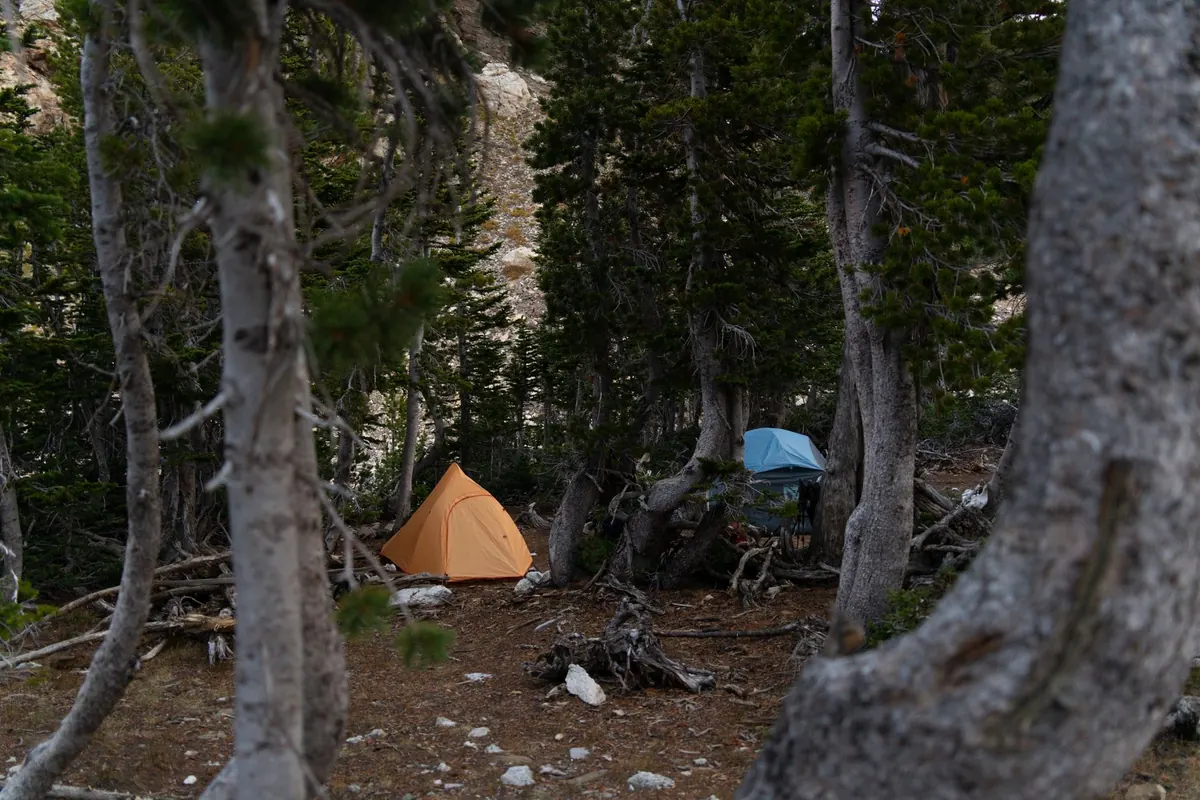
There are few better ways to spend a night in the Lake District than lying in a small tent on a quiet fell, watching the light drain out of a valley you walked into that afternoon. It is also a privilege that survives only because most people do it well. Pitch badly, light a fire, leave litter, or turn up as a group of eight with a crate of lager, and you help close the door for everyone else. What follows is the honest version: what the law actually says, what good practice looks like, and the small details that decide whether your night out is harmless or a problem.
What the law actually says
Wild camping is not a right in England and Wales. The access rights that let you walk across open fell and common land come from the Countryside and Rights of Way Act 2000, and they do not include pitching a tent or staying overnight. In the Lake District, that means you are either camping with the landowner's permission, or you are not camping legally.
In practice there is a long tradition of lightweight, one-night camping on high, remote ground, and it is widely tolerated where it causes no harm. Tolerated is the important word. Trespass is a civil matter rather than a criminal offence, but a farmer, landowner or warden can ask you to move on, and refusing turns a quiet word into an argument you will lose.
Some places are stricter than others. Areas covered by local byelaws or a Public Space Protection Order — parts of the Windermere shoreline, for instance — can carry fines. National Trust estates, United Utilities land around Thirlmere and Haweswater, and private estates all set their own rules, and several allow camping only in specified spots. Check the national park's current guidance, read any signs, and if your trip depends on one particular place, ask the landowner or the park authority directly rather than trusting a forum post from 2014.
Where not to pitch, whatever the view
- Enclosed farmland and fields, especially those with livestock
- Valley floors, lake shores and popular tarns
- Car parks, laybys, verges and picnic sites
- Scheduled monuments, nature reserves and SSSIs
- Anywhere with a no-camping sign, and anywhere you have been asked to leave
Choosing a pitch
On the high fell, aim for ground that is flat, dry, sheltered and well away from water and paths. The classic guidance is to camp above the intake wall — the boundary between enclosed farmland and open fell — and to keep well back from tarns, becks and the shoreline. Bare, hard-wearing ground is better than a patch of fragile upland vegetation. Look up before you pitch: dead branches and loose rock are not what you want above your tent at three in the morning.
Arrive late and leave early is the old rule, and it still works — you are less visible and you spend less time on the spot. But arriving after dark in an unfamiliar place usually ends in a bad pitch on somebody's field. A better version is to know your ground in advance: recce a spot on a day walk, note it, come back to it.
Wind decides more pitches than anything else. A calm valley can mean a battering on the ridge, and a lightweight tent on an exposed col will keep you awake all night. If the forecast turns, drop lower and find shelter rather than proving a point at 700 metres.
The unwritten code that keeps access open
- One night, one small tent, one or two people
- Never the same spot twice in a row — move on
- No fires, no exceptions
- Everything you brought in goes home with you
- Keep noise down, particularly after dark
- Leave the ground as though you had never been there
None of these are complicated, and together they are the reason the tradition survives. A group of six tents on a popular summit is what gets camping banned; a single small tent on a quiet shoulder is not.
Water, waste and rubbish
Treat every stream as suspect. Water high on the fells is usually clean, but sheep, deer and other walkers are upstream of somebody. Filtering, boiling or treating is cheap insurance — do it if you are unsure.
Do not wash in a tarn or beck. Carry water away in a bowl, wash well back from the water's edge, use plain water or a little biodegradable soap, then scatter the grey water.
Going to the toilet properly is the single biggest thing you can do to keep a busy area pleasant. Walk at least 30 metres from any water, dig a hole 15 to 20cm deep with a trowel, do what you need to do, then cover it. In thin, stony or heavily used ground, burying is not possible and the right answer is to carry it out in a sealed bag. Toilet paper goes in a bag and comes home with you, every time.
Rubbish means everything: apple cores, orange peel, tea bags, wet wipes, the lot. Biodegradable is not the same as harmless, and anything left behind is litter.
Fires, stoves and the small stuff
No fires. A fire scar on a fell can last for years, dead wood is habitat, and a dry spell turns fellside into tinder. Use a gas or meths stove, and use it outside the tent or in an open porch — carbon monoxide is a genuine risk in enclosed tents. Never leave a stove burning unattended.
Worth packing: a trowel, a couple of bags for waste, a headtorch with spare batteries, and layers you would be happy to wear at 2am. Leave your plan and rough location with someone at home. If you use a shelter or bothy, remember it is a privilege rather than a booking, and that the next person deserves to find it clean.
When a campsite is the better call
Be honest about the trip in front of you. If you are arriving late, travelling as a group, camping with young children, craving a shower, or visiting on a bank holiday weekend, a campsite will save you hassle and probably sleep. There are plenty, from basic farm fields to well-equipped sites in the main valleys.
If you would rather camp on farmland, the direct approach works surprisingly often. Knock at the farmhouse, ask politely whether they would take a small payment for one night in a quiet corner, and take no for an answer without argument.
Before you go: a five-minute check
- Confirm the rules for your specific area — park authority guidance, landowner, signage.
- Check the mountain weather forecast and pick a pitch you can reach and leave in those conditions.
- Pack for leaving no trace: trowel, waste bags, stove, no
Photo: Alex Moliski / Pexels