September 22, 2026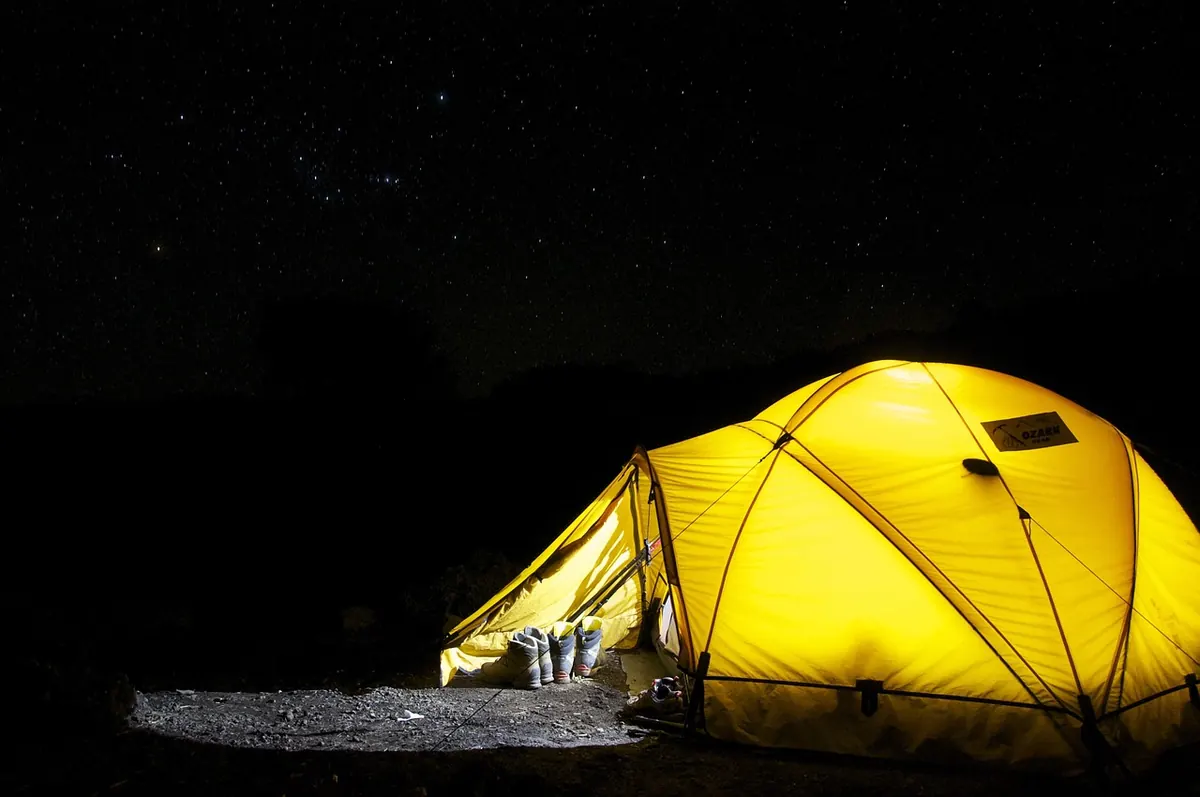
Three-season camping in the UK runs roughly from April to October, and it is the best window the national parks have to offer: long evenings, quiet paths, and mist sitting in the valley below your pitch. The catch is the weather. A valley in Eryri can hand you sunshine, hail and a stiff sideways breeze in a single afternoon, and the difference between a brilliant night out and a grim one usually comes down to a dozen small decisions made before you left the house.
What follows is a practical checklist for the four things that decide most trips: your tent, your sleep system, your cooking kit and your safety essentials. It assumes you are carrying your gear and camping either on a campsite or somewhere you have permission to be. In England and Wales, pitching outside a campsite normally needs the landowner's agreement; in Scotland, wild camping is allowed under access rights if you follow the guidance on leaving no trace.
The tent: shelter that has to cope with a British forecast
A three-season tent is a compromise, and a good one. It should shed wind and rain without weighing more than you are willing to carry uphill. Look for a flysheet and groundsheet with a sensible hydrostatic head rating — the measure of how much water pressure the fabric resists before it starts to leak — and a low-profile shape, because a tall dome catches wind like a sail.
What earns its place
- A porch big enough for wet boots and a rucksack, ideally with a groundsheet you can lift out.
- Two doors on a two-person tent, so you are not climbing over each other at 2am.
- A pitch you have actually practised. A tent you can put up in wind and rain, in the dark, beats a lighter one you cannot.
- More pegs than the tent came with, and heavier ones than you think you need.
- A footprint, or a cut-to-size piece of polythene. It saves the groundsheet for pennies.
Pitch the lowest end into the wind, tension the guy lines properly, and leave a gap between inner and fly. Condensation soaks more campers than rain does. If the forecast is grim, an outer-first pitch keeps the inner dry while you wrestle with it.
The sleep system: where comfort is won or lost
Most people overspend on a sleeping bag and underspend on a mat. Cold comes up through the ground. A closed-cell foam mat is fine in July and hopeless in a frost; an insulated inflatable will see you through a cool May night in the Cairngorms. Inflate it at home before every trip and check it still holds air.
Ignore the "extreme" figure on a bag and work from the comfort rating instead. Synthetic filling is heavier but forgiving of damp; down packs smaller and lasts longer, provided you keep it dry in a dry bag inside your rucksack. Add an inflatable pillow, earplugs, and — whatever the forecast says — one set of dry clothes that never leaves the bag.
Cooking kit: simple beats clever
Gas canister stoves are the simplest choice for three-season UK camping: clean, controllable, and easy to buy fuel for in most national park towns. Take a windshield, because a stove that works in a sheltered garden can struggle on an exposed pitch, and take matches as a backup to the lighter.
- Stove, gas canister, windshield, lighter and matches.
- One pot with a lid, a long-handled spoon, a bowl or deep plate, an insulated mug.
- A small knife, a cloth, and a bag for rubbish — you carry it out.
- A filter or purification tablets if you plan to refill from streams, plus a bottle to match.
Check the rules where you are staying. Open fires and disposable barbecues are banned in many national park locations and on most campsites, and a stove is faster, safer and leaves no scar. Never use a stove inside a closed tent.
Clothing and layers for three seasons in one day
Pack for the weather you will get, not the one you want: a wicking base layer, a fleece or synthetic mid-layer, and a waterproof shell with taped seams that fits over both. Add a warm hat and gloves even in July, plus sunscreen and a sun hat, because overcast British hills still burn people who assumed it was too grey to matter.
Two pairs of walking socks, a spare set of dry camp clothes, and footwear that is already broken in. Waterproof stuff sacks for your sleeping bag and spares are worth the few extra grams. Keep wet boots outside the tent, or in a bag in the porch.
Safety essentials and navigation
A phone is a tool, not a plan. Batteries die in the cold and signal is patchy in the hills, so carry a paper map of the area and a compass, and know how to use them together before you need to.
- Head torch with spare batteries, plus a small second light.
- Map, compass, and a waterproof case for them.
- First aid kit with blister plasters, and any personal medication.
- Emergency shelter or bothy bag, whistle and foil blanket.
- Power bank and charging cable.
- Repair kit: tape, cable ties, a spare peg or two, a patch for the mat.
- Midge head net and repellent from late spring, particularly in western Scotland and the Lake District, plus a tick removal tool.
Tell someone your route and when you expect to be back. If you need help in the hills, dial 999 and ask for the police, then Mountain Rescue. If you feel unwell after a tick bite, or an injury is not settling, speak to a GP rather than pushing on.
The night-before routine
- Check the mountain forecast — the Met Office and MWIS both publish one for the hills — and adjust your plans, not just your packing.
- Lay everything out by category and pack it in the same order every time.
- Test the stove, check the torch batteries, inflate the mat.
- Fill your water bottles and put a dry set of clothes in a dry bag.
- Send your route and expected return time to someone at home.
Ten minutes of that and you will arrive with daylight to spare, eat something warm and sleep properly. That is the point of a checklist: not to turn camping into admin, but to clear the fiddly bits out of the way so the good parts have room to happen.
Photo: bhossfeld / Pixabay